Catch failures before they become expensive.
Novek gives asset owners and operations teams earlier visibility into critical equipment issues — helping them detect abnormal behaviour, reduce manual inspection gaps, and act before failures become complaints, downtime, or emergency cost.
Most failures are not sudden. They are missed.
A pump starts behaving differently. A tank level becomes abnormal. A compressor drifts outside its normal pattern. A small leak starts where nobody checks often enough.
The signal is there — but manual rounds, fragmented reports, busy teams, and long spare-part lead times mean the issue is often discovered only after it becomes visible, urgent, or complained about.
- 01
Manual checks miss early drift
Site teams cannot see every asset, every minute. Early warning signs often appear between inspections.
- 02
Complaints arrive late
By the time users, tenants, operators, or management notice the issue, the failure has already escalated.
- 03
Emergency work costs more
Late discovery creates pressure, callouts, downtime, rushed procurement, and unclear accountability.
Novek is built to surface the signal earlier — before the issue becomes the event.
One visibility layer. Multiple asset-heavy sectors.
Novek can start with a focused Failure Visibility Assessment: one site, one asset group, and one measurable operational risk. Once the signal is clear, coverage can expand by site, sector, or asset category.

Malls & Portfolios
Catch asset failures before tenants do.
Explore
Industrial
Detect early equipment drift before it becomes downtime or line interruption.
Explore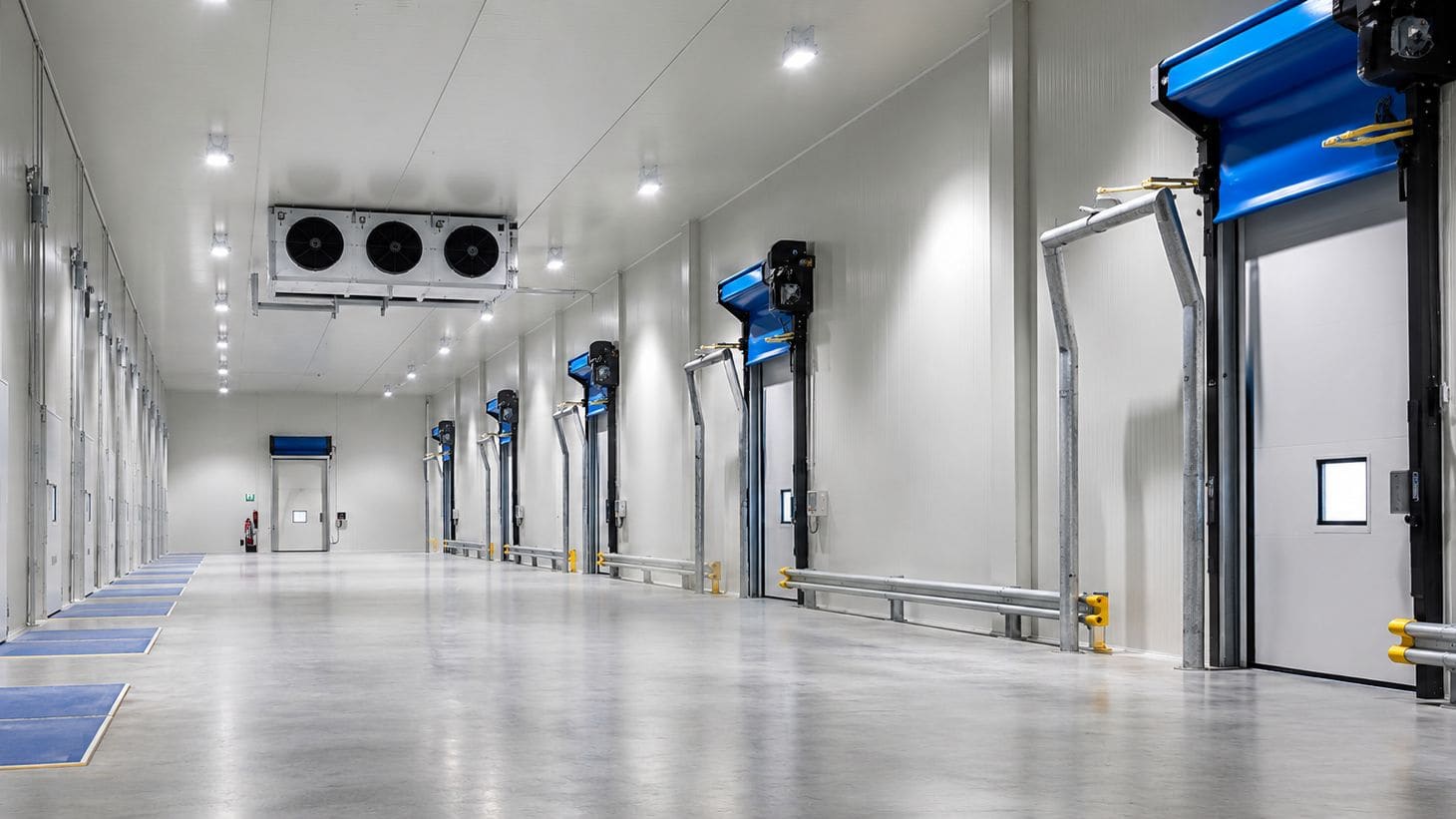
F&B
Monitor production-support assets where failures affect output, safety, or spoilage.
Explore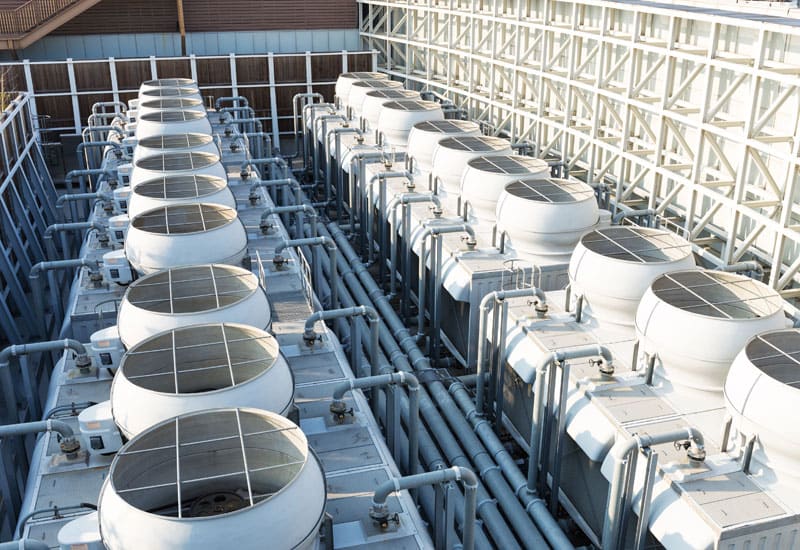
District Cooling
Track plant and sub-asset behaviour to improve visibility and response.
Explore
Utilities & Infrastructure
Earlier visibility around critical service assets and remote equipment.
Explore
Start with one site. One asset group. One measurable risk.
Novek does not need to begin as a full-platform rollout. Start with the assets most likely to create complaints, downtime, or emergency cost — then expand based on what the data proves.