Unscheduled stops cost the most
Every minute the line is down is direct revenue lost — and the downstream knock-on (rushed re-start, quality issues, OEE hit) costs again.
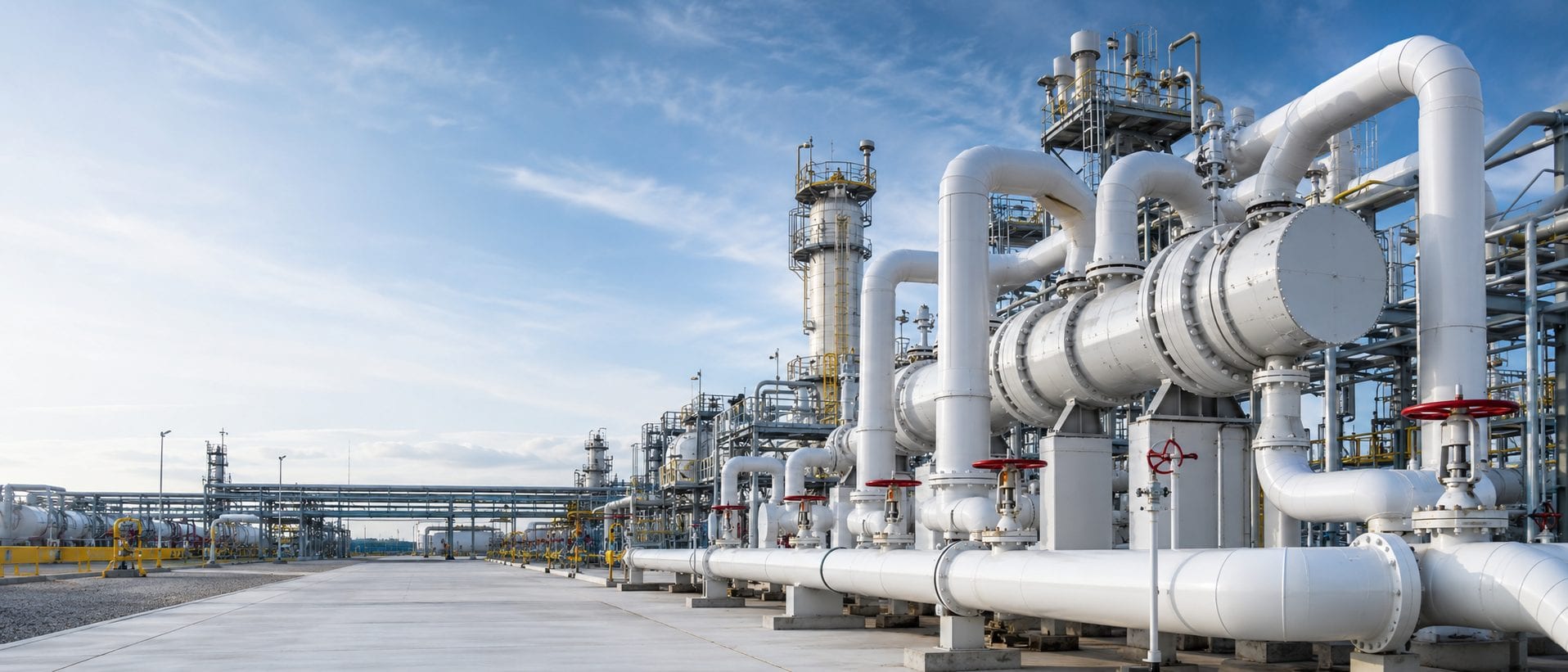
Novek gives plant managers, operations leads, and maintenance teams earlier visibility into the rotating equipment, motors, and process-support assets that, when they fail, stop the line — so issues are caught as drift, not as unscheduled downtime.
Industrial sites carry the highest cost-per-minute of any commercial environment we serve. The hardest part isn't fixing the failure — it's seeing it coming far enough ahead to schedule a stop instead of suffering one.
Every minute the line is down is direct revenue lost — and the downstream knock-on (rushed re-start, quality issues, OEE hit) costs again.
When a bearing, motor, or coupling has a 4-8 week lead time, an early signal is the difference between scheduled maintenance and a multi-week halt.
Fifty or more critical motors, conveyors, gearboxes, and compressors across a plant. Manual rounds miss drift between inspections. Reactive maintenance becomes the default.
Rushed procurement, overtime callouts, downstream line disruption, quality issues from rushed re-starts, and the conversation with management about why it wasn't caught earlier.
Coverage starts with the assets whose failure stops the line. Common starting points include:
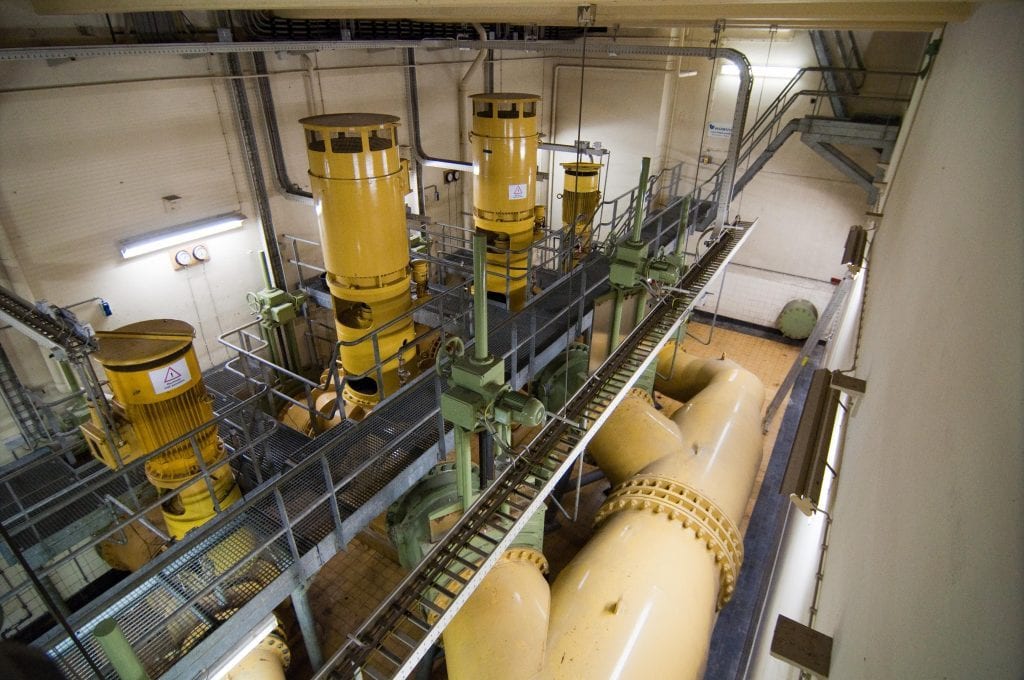
Wireless industrial sensors deployed on motors, conveyors, gearboxes, and compressors. Continuous analytics behind the scenes. Plain operational language at the front — no consultant required between the data and the decision.
5 days of production preserved · No air-freight · No CFO report
Novek can begin with a focused Failure Visibility Assessment on a single production line or asset group — proving value on the assets where unscheduled downtime hurts most before wider rollout.