A 10% COP drop is AED millions a year
When a chiller is silently degrading, the plant's electricity bill grows quietly. The cumulative cost is in AED millions before anyone catches it in a monthly report — and it compounds month over month.
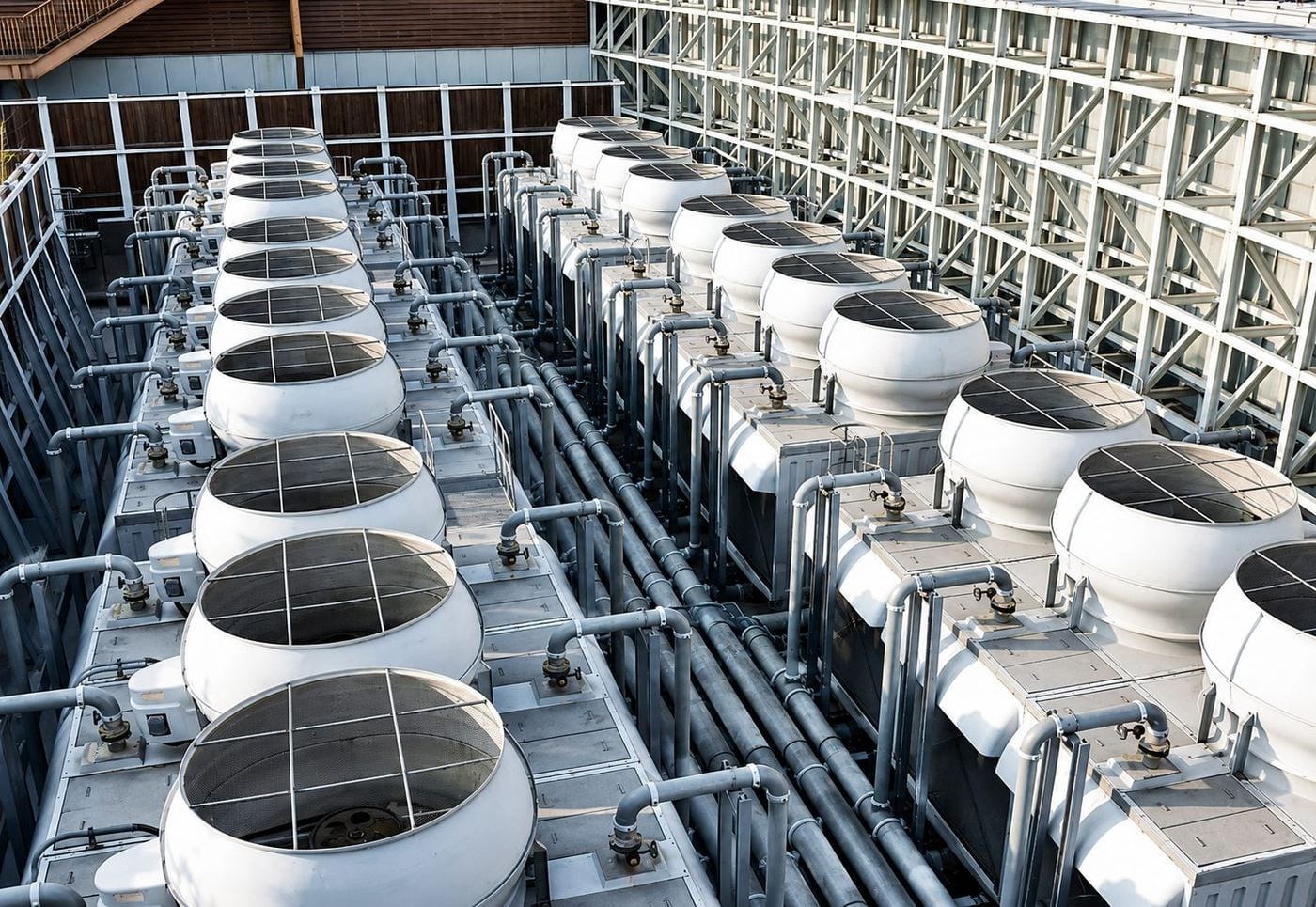
Novek gives operators, plant managers, and asset performance leads earlier visibility into the centrifugal chillers, CHW pumps, cooling towers, and ETSs that, when they drift, eat the COP, the energy bill, and the customer SLA — before the next audit cycle catches it.
By the time the next thermal walk-down catches the drift, the energy bill has already absorbed AED millions. The audit cycle is eighteen months late to the conversation, and the customer ETSs nobody can verify with a clipboard keep generating disputes.
When a chiller is silently degrading, the plant's electricity bill grows quietly. The cumulative cost is in AED millions before anyone catches it in a monthly report — and it compounds month over month.
A centrifugal chiller failure takes MW of cooling offline. SLA penalties, emergency procurement (10+ week lead time on big compressors), and a reputation conversation with the largest accounts.
Fill degradation, approach-temperature drift, basin drawdown — all visible in continuous data weeks before a manual thermal walk-down catches them, and months before the energy bill confirms it.
Energy transfer station drift, undermeasurement, or tampering is hard to verify without an independent measurement layer the customer cannot dispute — and impossible to settle without continuous evidence.
Coverage starts with the assets where degradation hits COP or customer SLA first. Common starting points include:
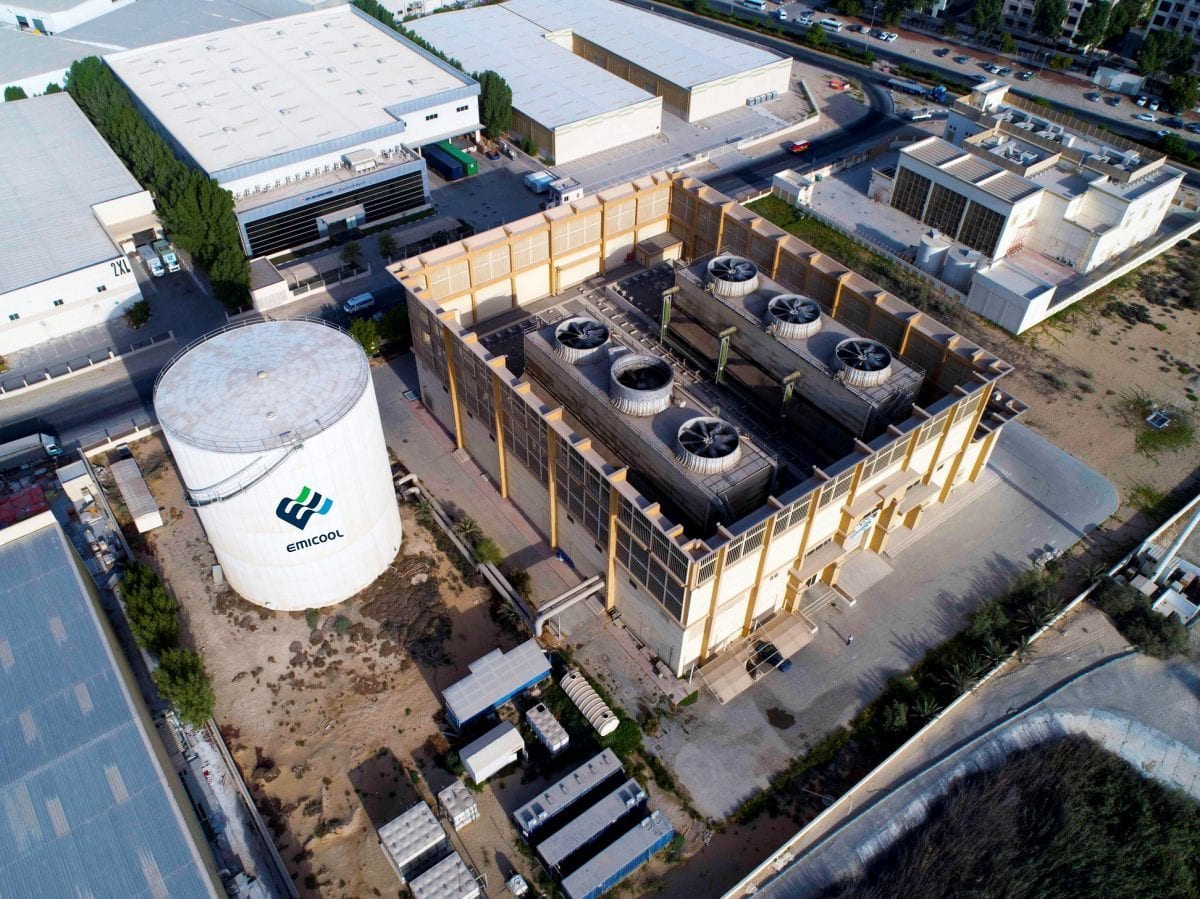
Wireless industrial sensors deployed across the chiller hall, the cooling-tower bank, and the customer ETSs. Continuous COP tracking. An independent measurement layer that the plant operator owns — and the ETS customer can trust.
Emergency rebuild avoided · COP restored · AED-millions saved on the bill
Novek can begin with a focused Failure Visibility Assessment on a single chiller train, a customer ETS group, or a cooling tower bank — proving value where the COP impact is highest before extending across the plant or network.